
“Something changed on our website.”
Unwanted redirects, strange popups, unknown users or unexpected file changes deserve careful triage, not random fixes.
From suspicious redirects and risky plugins to critical booking and checkout journeys, get a clear view of website-security priorities. Remote-first guidance and scoped security work for your website.

No passwords or security credentials are needed to enquire. Share your website, your concern and what an ideal outcome looks like. We will discuss an appropriate scope before any technical work begins.
Remote-first service enquiries for Little Rock, Arkansas. Actual availability and terms are confirmed when we discuss the request.
Share a few details so we can discuss a suitable scope and next steps. No credentials needed.
\n
Businesses in Little Rock often depend on several moving parts: website platforms, customer forms, extensions, hosting and outside development teams. The difficult question is knowing which weakness deserves attention first.
Unwanted redirects, strange popups, unknown users or unexpected file changes deserve careful triage, not random fixes.
Plugins, theme dependencies and multiple administrators can make updates and access control difficult to coordinate.
Store owners need security decisions that consider critical purchase flows, external gateways and compatibility.
Without an agreed review cadence and escalation plan, important work can sit between teams.
Little Rock offers an unusually concrete example of why website trust and account security matter to local businesses. On January 29, 2020, the City publicly warned business-license holders about a fraudulent renewal-confirmation email that impersonated official processes. This was a historical warning, not evidence of a current attack or of any particular business being compromised. The City's current business-license page identifies an October 1 through November 1 assessment period and links to official account and application services. A Little Rock business website should therefore make its own contact and payment flows unmistakably separate from municipal assessment notices, avoid republishing unofficial login links, and train staff to verify unusual renewal requests through the City's published channels. The City also announced its Dynamic Portal for building-permit applications in March 2019, with functions for submitting plans, paying fees and requesting inspections. Contractors and property firms maintaining their own sites can protect private client drawings, appointment details and project files while referring official permit work to the government portal. The U.S. Census Bureau's Little Rock city geography and economic tables provide a useful scope check, but they do not establish that Defendoria has a local office or existing clients here. All Defendoria consultations are remote-first, with scope and availability confirmed before any work.
Little Rock's Treasury Division warned on January 29, 2020 about phishing emails asking license holders to confirm renewal through a link. That dated notice is a useful staff-training example: verify the sender and destination, do not forward a suspicious renewal link to customers, and use the City's current licensing page to navigate to its official account system. For a company website, keep domain, DNS and content-management accounts protected with multifactor authentication so attackers cannot insert a deceptive payment or license-renewal link.
The City's March 2019 announcement described Dynamic Portal for building-plan submissions, fee payments and inspection requests. A Little Rock architect, contractor or property manager should not confuse that government process with a public company portfolio or lead-generation form. Place private floor plans, permit numbers, client addresses and signed documents in a restricted project workspace, apply role-based access and retention rules, and direct official municipal submissions to the City's published service rather than duplicating its login or payment interface.
The City's current business-license information identifies October 1 through November 1 as the assessment period. Before publishing seasonal reminders, check the dates and URLs against the current municipal page, assign an owner for updates, and remove outdated instructions. For customer-facing quote forms, collect only what is necessary, enforce spam and file-upload limits, and keep business-license account numbers or identity documents out of ordinary website enquiries. Review third-party marketing access after the campaign ends.
Examples describe website workflows, not findings from an assessment of local businesses. Any Defendoria work requires agreed scope and authorization.
Choose support around what is happening to your website today, not a generic list of features.

Review what is exposed, understand potential impact and organize a sensible order for improvements.
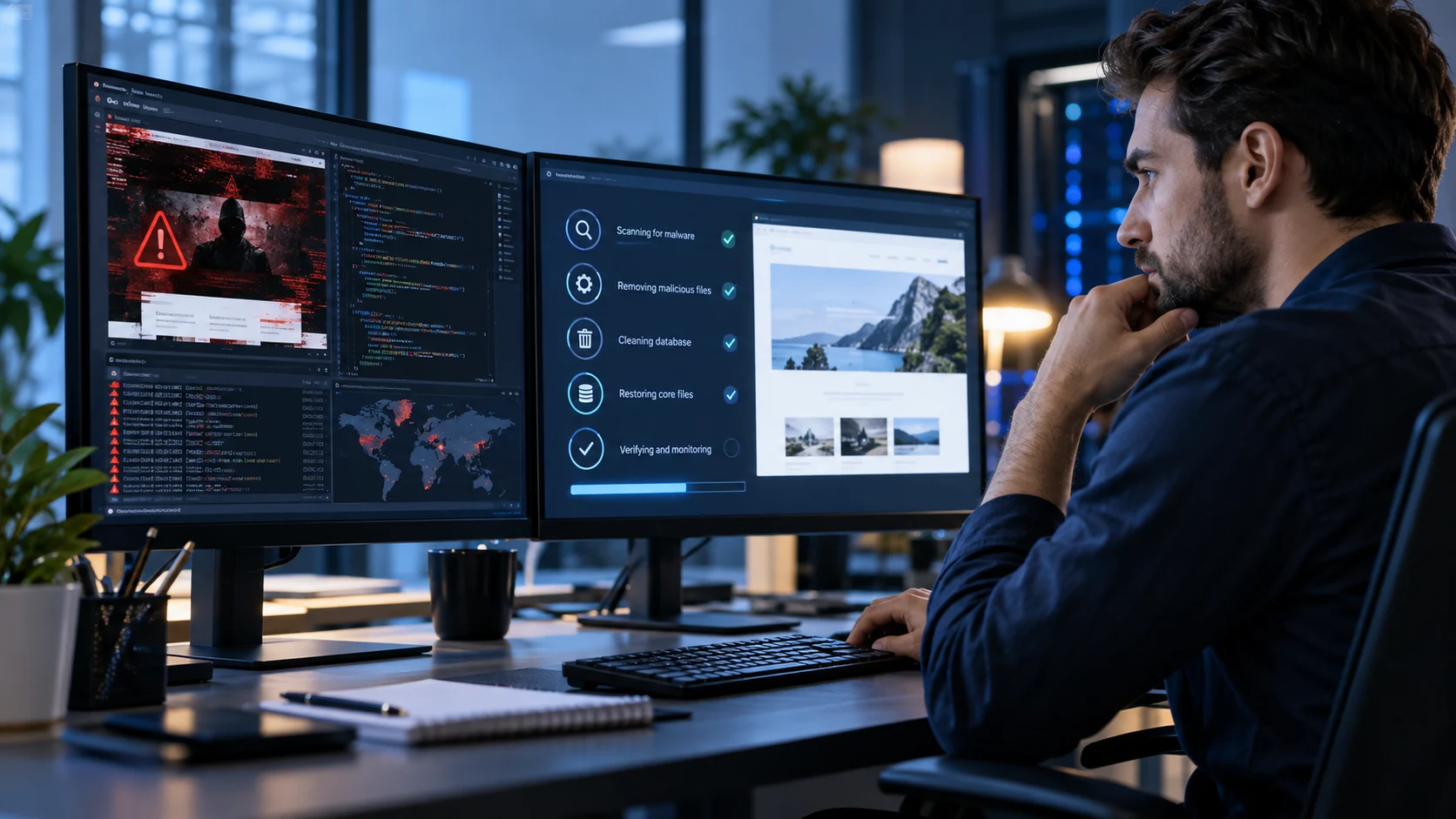
Understand suspicious behavior and agree on recovery priorities.
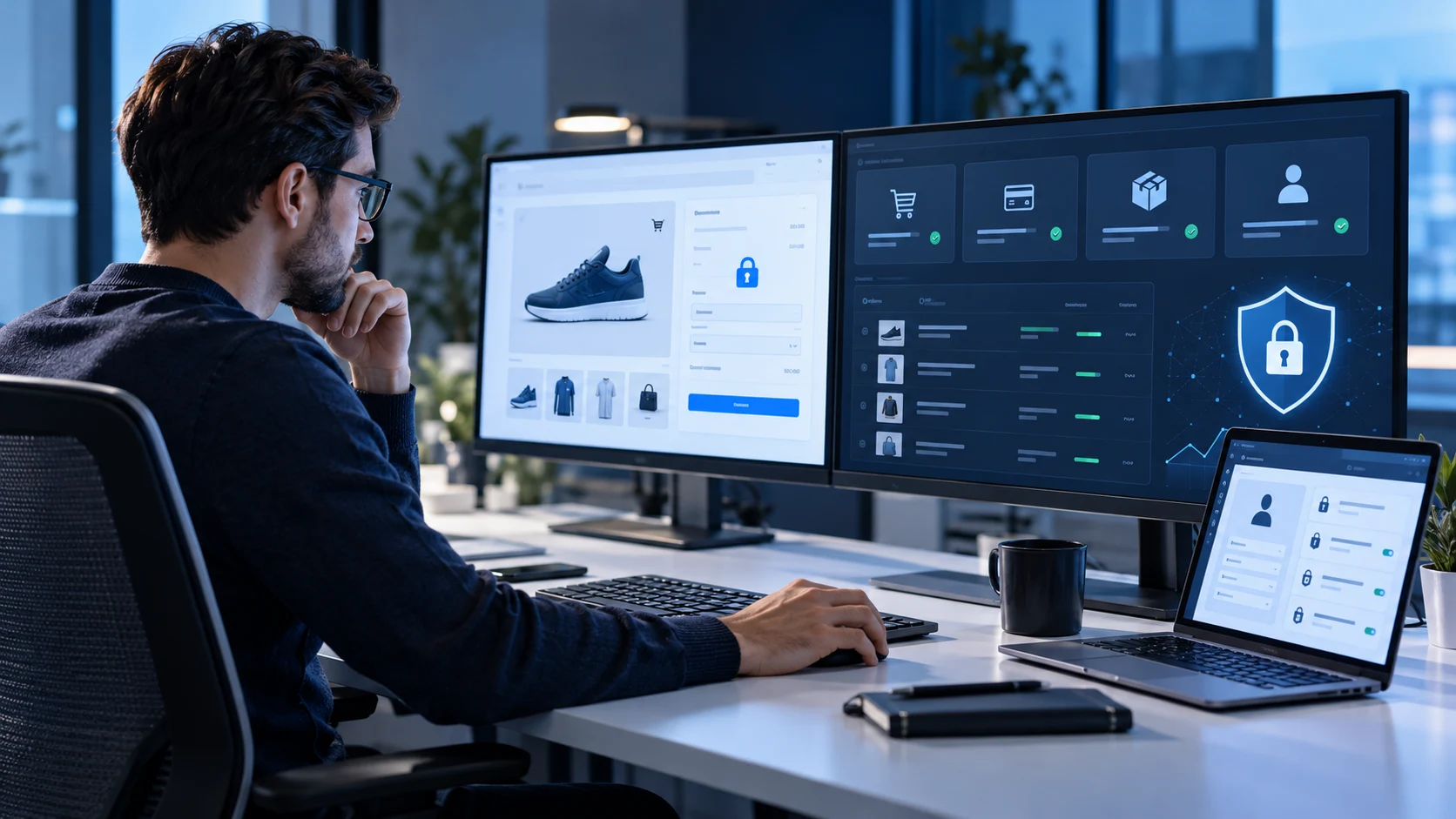
Plan safer updates, access rules and critical workflow checks.

Switch between common business scenarios to see where a conversation might start.
For teams that rely on their website for leads, contact forms, appointments or customer trust, an unclear security concern can interrupt normal work.

Share your platform, website URL, signs of a problem and the impact on your business. No passwords in the form.
Confirm ownership, systems in scope, agreed tasks, exclusions and how to obtain access safely.
Understand what a review could cover, which decisions matter and what needs your approval.
Technical work and deliverables follow the accepted proposal, with handover responsibilities made clear.
No automatic scans, invented guarantees or one-size-fits-all commitments.

For Little Rock-based companies, digital agencies and online stores, the practical security questions are often about who owns which systems, how decisions get approved, and what happens when something breaks.
Defendoria offers remote-first consultations. No local office or on-site personnel are claimed for this location.

Defendoria was founded by Dr. Syed M. Waqas Shah, PhD in Cyber Security. Our approach prioritizes clear communication, scoped assessment and practical decisions for the people responsible for a website.
Whether your site runs a store, takes bookings or represents a growing company, we start with your actual technology and responsibilities rather than one-size-fits-all promises.
Clear communication, authorization and scope matter just as much as the technical work.
You can request a remote-first consultation for your website. Service availability, scheduling and commercial terms are confirmed before any engagement.
Defendoria does not claim a physical office in this location. Website-security consultations are remote-first, and any technical work requires an agreed scope.
No. The inquiry is only a way to discuss a possible engagement. Technical access, scans and testing require separate, explicit authorization and a defined scope.
A website URL, your platform, a short description of the concern and how to contact you. Do not send passwords, payment details, access tokens or customer records in public forms.
No. Security depends on scope, site condition, dependencies and future threats. The agreed proposal should describe what will be reviewed or delivered, without promising risk-free operation.